




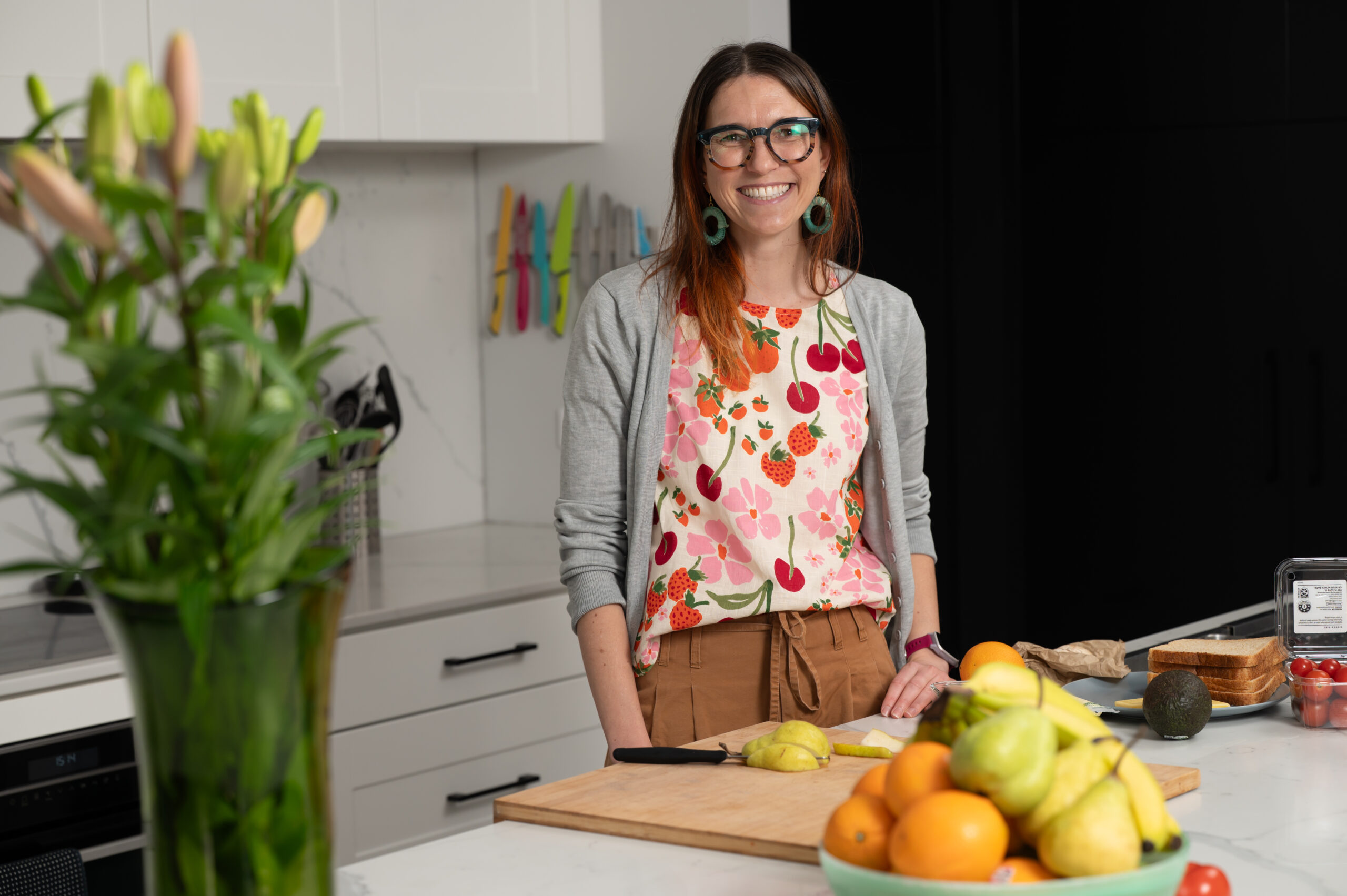
From lunchboxes to lasting change, Dr Brittany Johnson is building the evidence for a healthier future for Australian children.
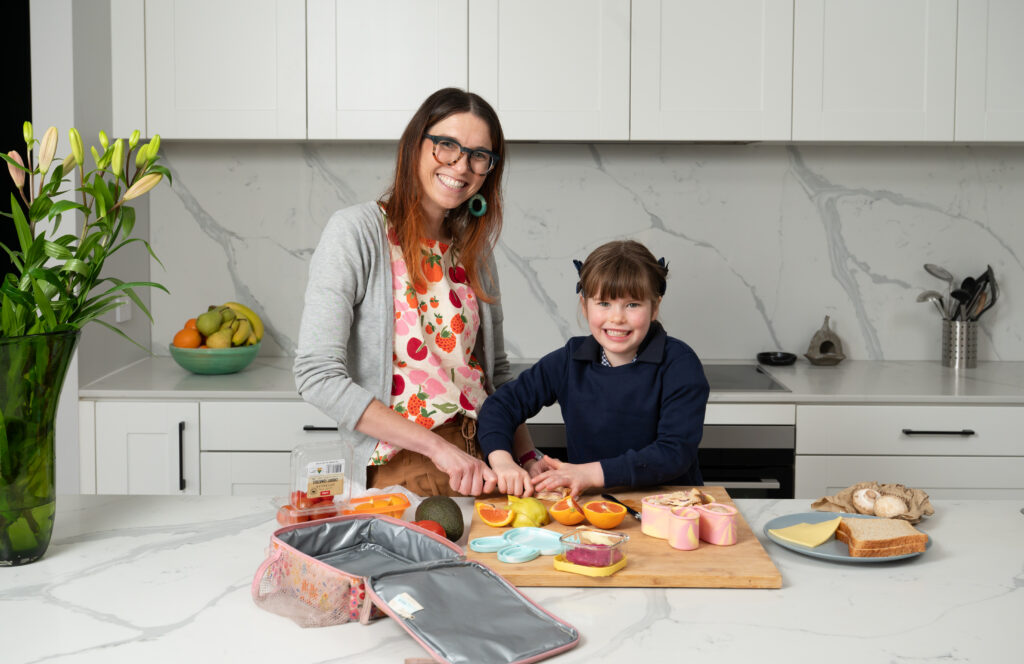
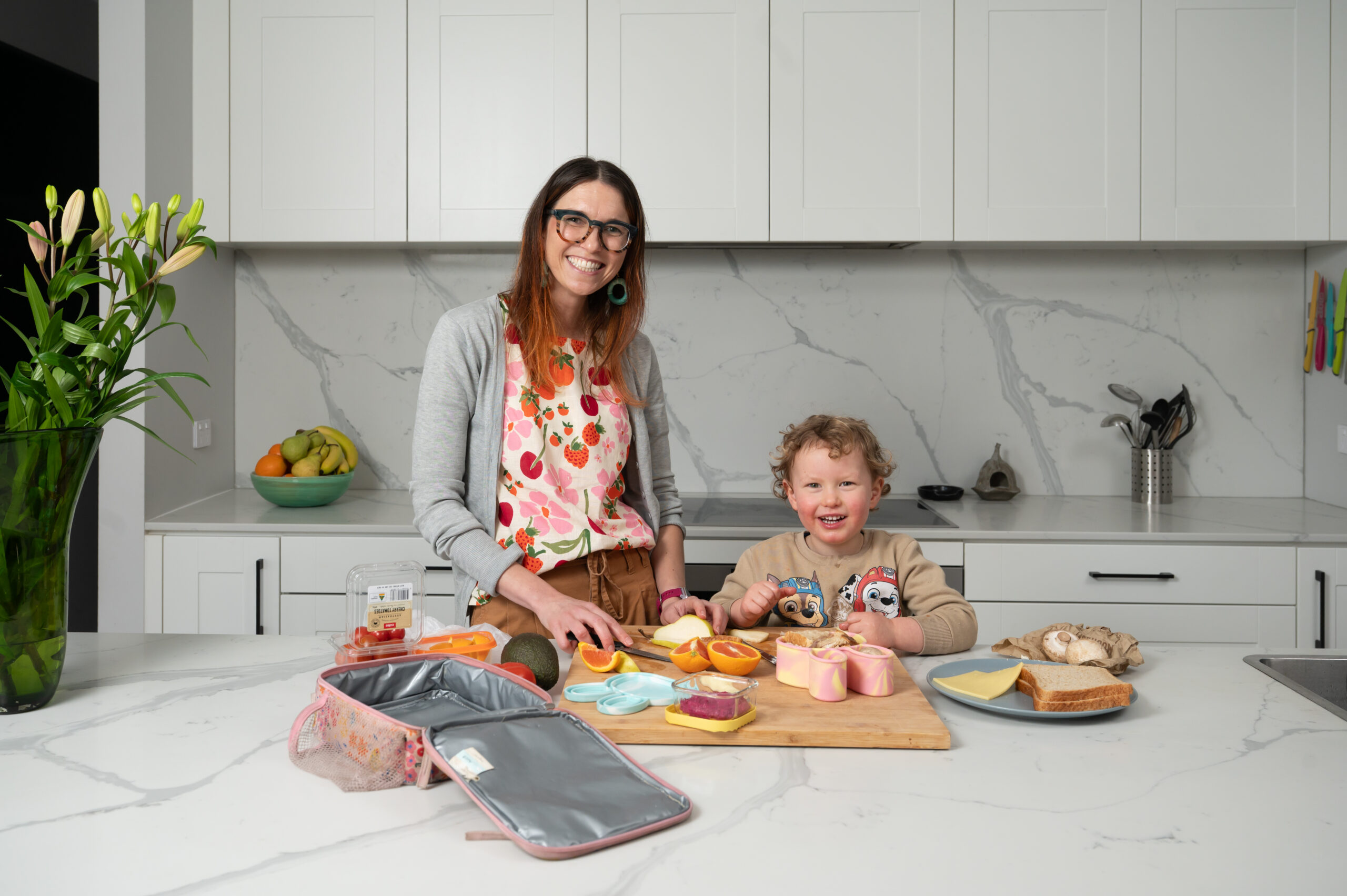
For many Australian parents, packing a healthy school lunch is a daily balancing act – a never-ending puzzle of what to pack, what their children will actually eat and how to make sure they’re getting the nutrition they need.
But for Dr Brittany Johnson, the lunchbox dilemma points to a much bigger question: could taking school lunches out of parents’ hands help create healthier, happier and more equitable schools?
It’s a question at the heart of Brittany’s research – and one that has sparked her passion for transforming the way Australia thinks about school food.
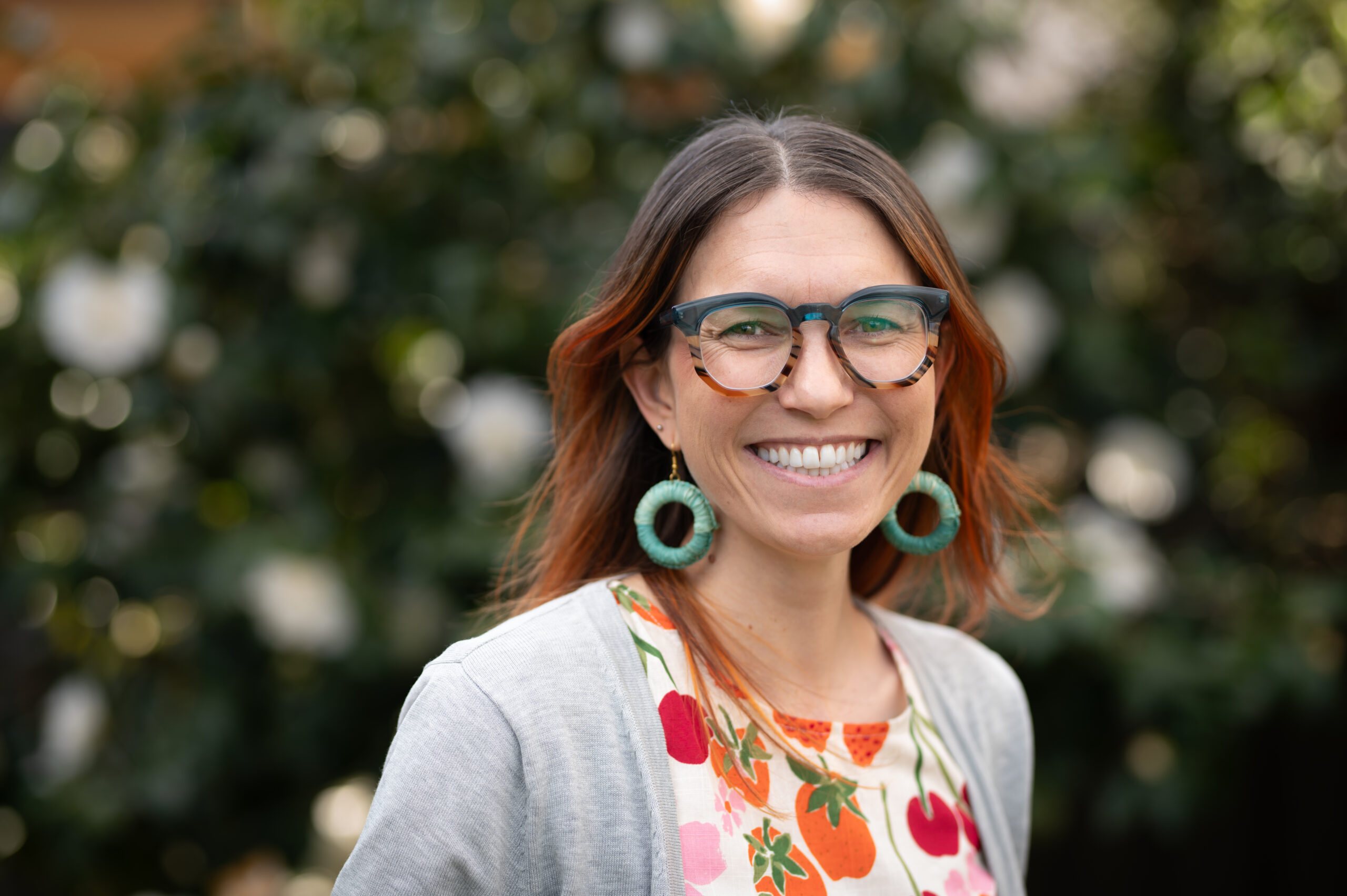
Brittany has been named Firefly Children’s Foundation’s newest Fellow, supporting her work to build the evidence needed for a coordinated and sustainable school lunch system in Australia.
The fellowship means she can continue doing what she loves – researching ways to help children eat well – while growing her research team and having greater stability to pursue that work.
“The main thing is I get to keep doing what I love, which is researching how we can support kids to eat well,” she says.
“It’s amazing Firefly is offering this opportunity to mid-career researchers.”
Brittany’s interest in nutrition began at high school, where she discovered a love of home economics and biology. She went on to study nutrition and dietetics at Flinders University, initially planning to work in the community rather than research.
But it was through her work in community public health that she came to understand the power of research to build the evidence needed to influence what we do – and how government funds are spent.
Research is something of a family affair
Brittany is one of three sisters, and all three have PhDs. Her older sister Jacinta – a pharmacist – researches medication safety and collaborative healthcare, while younger sister Michaela is a medical scientist focused on neurodegenerative diseases.
Jacinta was the first to take the plunge into a PhD, followed by Michaela and then Brittany. While their fields are very different, the sisters share a passion for research and its potential to improve people’s lives.
For Brittany, that passion has led her to one of the most important opportunities to improve children’s health: the food they eat at school.
Australian children eat around 2400 meals during their school years, creating thousands of opportunities to establish nourishing eating habits that can support lifelong health.
But Brittany’s research shows there is significant room for improvement.
Regardless of socio-economic background, Australian children are consuming more discretionary foods – think chips, salty crackers, biscuits and muesli bars – than recommended by dietary guidelines.
And when Brittany and her team looked specifically at lunchboxes, they found children were getting between zero and one serve of vegetables, despite needing around five serves across the day.
“If they’re not eating any at school, that puts a lot of pressure on (parents) at dinner time,” she says.
But importantly, Brittany says this isn’t about blaming parents.
Families are juggling busy lives, cost pressures and the daily challenge of preparing food that is nutritious, safe and something their children will actually eat.
“There’s lots of those barriers … that make it hard to pack those nutritious lunches that kids eat.”
This is where school-provided meals could offer a different approach.
More than just a meal
International research has found that nourishing school meals can be associated with fewer behavioural incidents, higher academic achievement and improved wellbeing. In Australia, school breakfast programs have already demonstrated the importance of ensuring children aren’t trying to learn while hungry.
Nutritious school lunches could extend that opportunity across the school day – while also helping children connect with their peers and school community.
“It’s also … about building those stronger connections with their peers and school community to really help with that sense of belonging,”
— Dr Brittany Johnson
Brittany is looking closely at international examples to understand what could work in an Australian context. She points to countries such as Japan, where school meals are integrated with learning, as well as approaches that incorporate sustainability and broader community resilience.
But she believes Australia needs to develop a model that works for our own schools and communities.

A school lunch system that works for everyone
One of the most important principles for Brittany is that it should be available for everyone.
School meal programs work best when they are available to all students, helping remove the stigma that can come with identifying who can and cannot afford a meal.
Brittany’s research has found that many parents are interested in paying for school lunches when they can, with some willing to contribute a little more to help cover the cost for families experiencing financial pressure.
Building a system that lasts
The Firefly Children’s Foundation Fellowship will allow Brittany to evaluate the impact of school-provided lunches on South Australian children’s diets and health outcomes, while helping determine how school meal systems should be designed – including how to ensure nutrition and quality remain at its core.
A key part of the research will also be understanding the most sustainable funding models, whether that involves free, subsidised or contribution-based approaches.
The aim is to build something that lasts.
Brittany doesn’t want Australia to repeat the experience of countries where funding cuts have ultimately led to a decline in the quality or nutritional value of school meals.
And she wants the system to be inclusive of children with different sensory, behavioural and dietary needs.
What could the future look like?
If Brittany gets her wish, the school lunchbox may eventually become a thing of the past.
She imagines a future where children are offered the same nourishing foods, sit down to eat with their friends and teachers, and have enough time to enjoy their meal before heading out to play.
And, perhaps most appealingly for parents:
“I hope parents are saying they’re glad they never need to pack a lunchbox again”
— Dr Brittany Johnson
It is an ambitious vision, but Brittany believes the research can help Australia take the steps needed to make it possible.
For parents who want to make a difference right now, her advice is simple: keep offering vegetables. Add frozen peas or corn, extra tomato or whatever vegetables work for your family. Healthy food doesn’t need to be complicated – or expensive.
“Nutritious food is expensive and needs to be fancy” is another myth Brittany would like to bust.
And when it comes to her own favourite food? Legumes are high on the list – affordable, filling and packed with fibre and protein.
For Brittany, that combination of good food, good evidence and practical solutions is at the heart of her Fellowship.
The ultimate goal is much bigger than the lunchbox – it’s about giving every child the opportunity to eat well, learn well and develop healthy habits that can last a lifetime.
How your school can get involved
Schools and families can help shape Brittany’s research, find out more about school meal programs and access resources to explore what a school food program could look like in their own community.