




77% of young people are experiencing body image distress, making them 24 times more likely to develop depression and putting them at higher risk of developing an eating disorder. However, the resources to educate young people about fuelling their bodies — without triggering shame — are severely lacking, particularly for Years 7 through 10, where the gap is greatest.
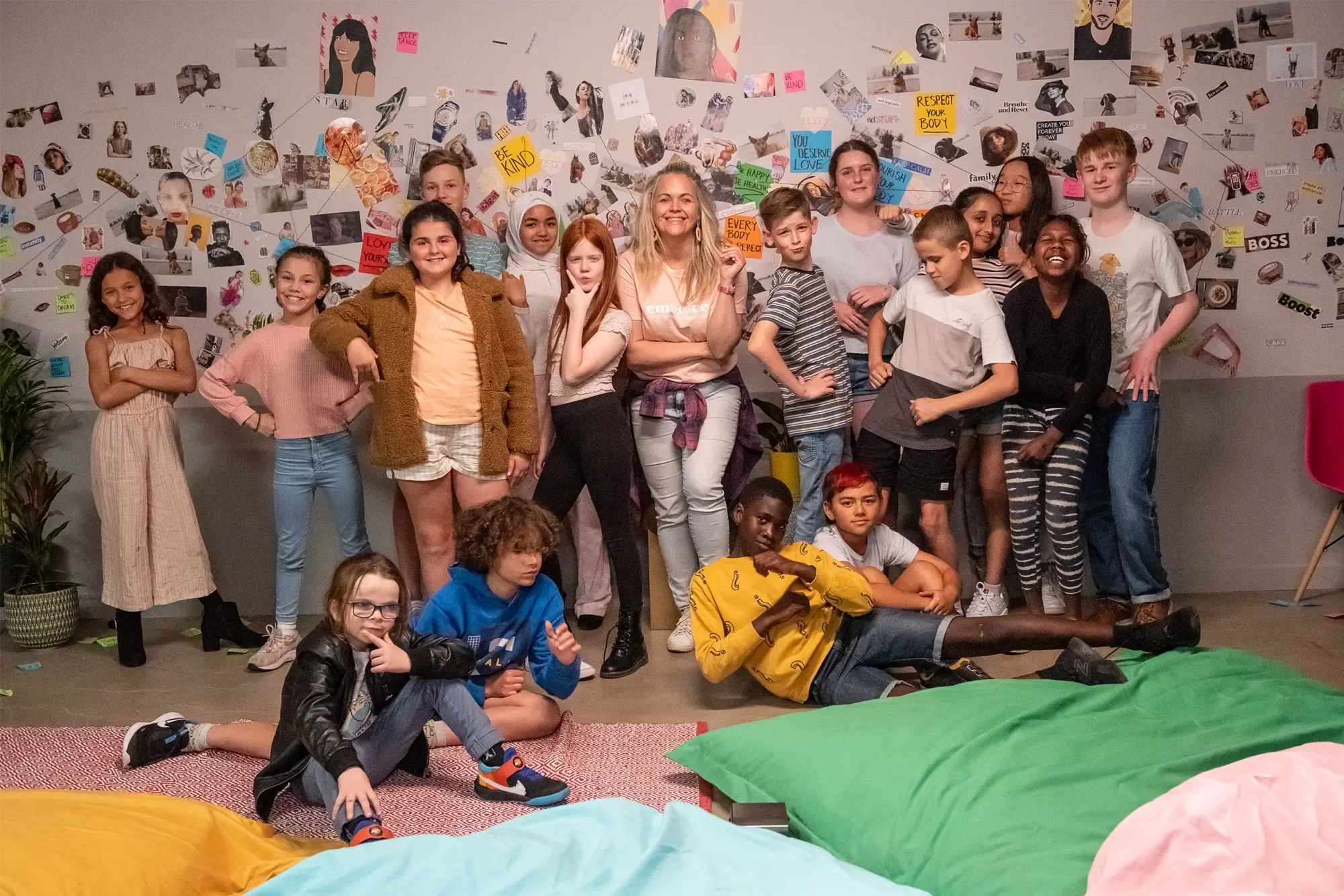
This project will create two tailored programs for Year 7-10 students, and will be delivered by teachers as five interactive online lessons, using storytelling and video role modelling to help young people understand how food fuels their growth, their mood, their learning and their lives — without guilt, without fear and without comparison. The program will be based on the latest evidence in health promotion and behaviour change research, built by experts in nutrition, psychology, health promotion, and education and shaped by the voices of lived experience.
“There is a big shift happening in health promotion and the way we talk about bodies, food and weight. Teachers have been asking for the tools they can use to educate young people about food and nutrition in more positive ways. This program will not only promote a lifelong, healthy relationship with food for young people at a critical developmental time, but will also create a blueprint for national reform.” — Taryn Brumfitt, Co-Executive Director, The Embrace Collective
We’re not just changing lessons, we’re changing the story — from a generation who learned to fear food, to one who learns to trust their bodies, enjoys eating and thrives.