



Clinical Study

Reports, publications, outcomes, and success stories

Firefly 1
Firefly 2
Firefly 3
Firefly 4
  • Five years of hope: The Firefly-funded research bringing new possibilities for children with EB

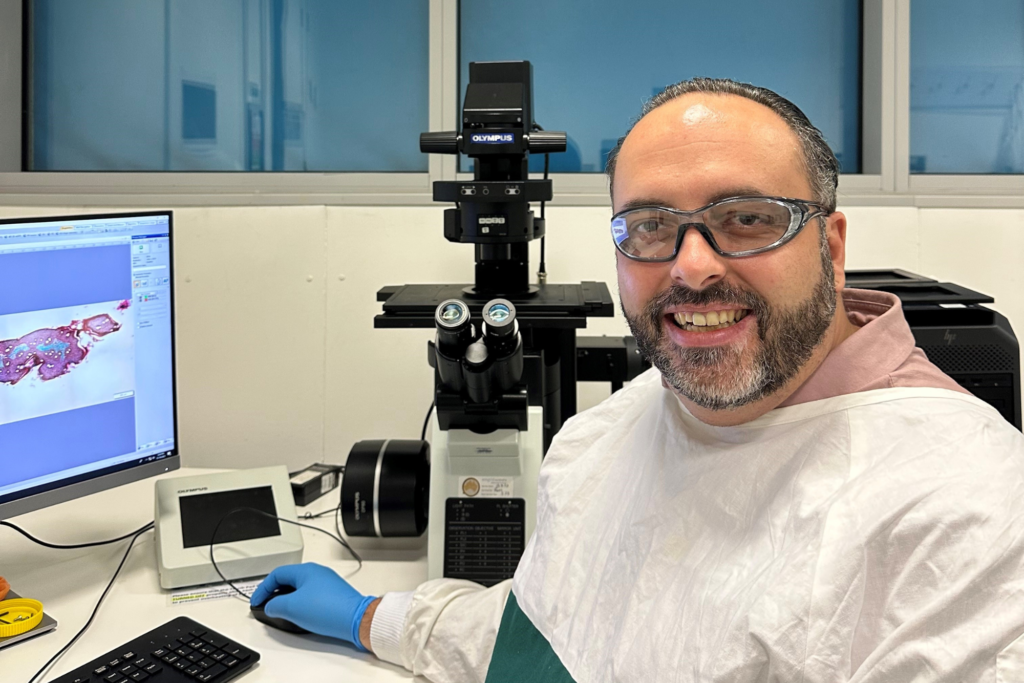
    As his Fellowship draws to a close, Dr Kopecki isn't winding down. Instead, he's taking the next step, working with industry to advance groundbreaking research that could revolutionise the way chronic wounds and infections are treated in children with EB. “I'm actually kind of excited and energised to take this research to the next step and to be working closely with industry, I'm really positive on the future outcomes,” the Adelaide University Industry Research Fellow shares. And Dr Kopecki acknowledges…

    Read the whole story
  • Before it begins: the app tackling eating disorder risk early

    Dr Ryan Balzan hopes the smartphone app he is co-designing will one day make his role as a clinical psychologist obsolete. Only half joking, he says the goal of the “Thinking About Thinking” app is to intervene early before young people develop an eating disorder. Supported by the Firefly Children’s Foundation, the app targets key risk factors including perfectionism, rigid thinking and body image concerns – traits known to increase vulnerability in adolescents. Eating disorders are among the leading causes…

    Read the whole story
  • VR headsets could be life changing for people with intellectual disability

    Immersive virtual reality could open up a whole new world for people with intellectual disability, enabling them to learn practical life skills much faster without relying on caregivers, according to a new study.  Australian researchers compared the effectiveness of immersive VR headsets and non-immersive virtual environments to teach 36 adults with an intellectual disability how to separate general waste from recycling, garden, and food organics. The study, undertaken by University of South Australia and UNSW Sydney researchers, involved 12 virtual…

    Read the whole story
  • Autistic children the real winners from online gaming

    Australian children aged between 10 and 12 recently took part in a small, feasibility study focusing on the easily accessible video game, Minecraft. The off-the-shelf game encourages players to work together to build 3D worlds from digital blocks. Consumers with lived experience, including autistic Minecraft players and parents of autistic Minecraft players, were involved in informing the design and implementation of the program. Participants had the opportunity to play the game in both online and face-to-face settings. The low intensity…

    Read the whole story