





Dr Ryan Balzan hopes the smartphone app he is co-designing will one day make his role as a clinical psychologist obsolete.
Only half joking, he says the goal of the “Thinking About Thinking” app is to intervene early before young people develop an eating disorder.
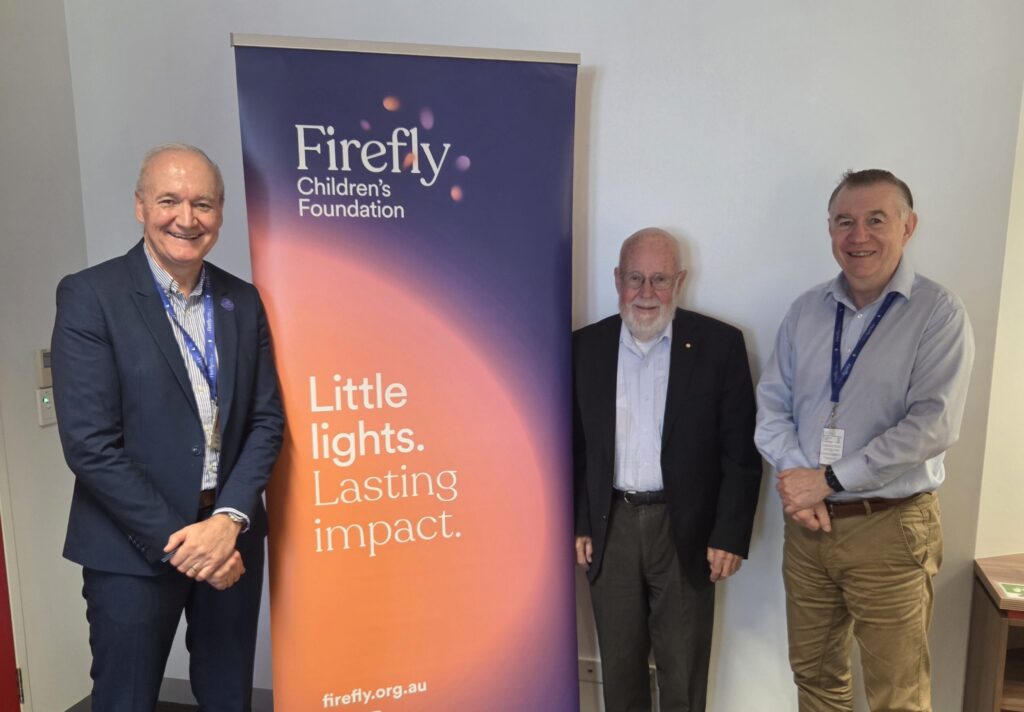
Supported by the Firefly Children’s Foundation, the app targets key risk factors including perfectionism, rigid thinking and body image concerns – traits known to increase vulnerability in adolescents.
Eating disorders are among the leading causes of “disability and burden” in young people, with teenagers aged 13 to 17 particularly at risk. Early intervention offers the best chance of reducing long-term harm.
“Our metacognitive training program can reduce perfectionism, rigidity and body image issues in this age group, but its current format limits its reach,” Dr Balzan said.
“This project expands that impact by developing a smartphone app to make these strategies more accessible.”
Originally focused on psychosis, Dr Balzan’s research expanded after he crossed paths with eating disorder expert Professor Tracey Wade at Flinders University.
“It struck me that while the beliefs differ, the rigidity we see in psychosis is very similar to what we see in conditions like anorexia,” he said.
“The therapies weren’t quite hitting home. So, I thought can we adapt this intervention that works well in these psychosis populations?”
That question led to a growing focus on prevention – and the need to act earlier.
“We’re now seeing symptoms in children as young as eight to ten,” he said.
“It became a case of ‘why wait?’ – how do we step in before those patterns are entrenched?”
While much research has focused on older age groups, Dr Balzan says earlier intervention is key – particularly in a world shaped by social media.
“And while hopefully it’s helped with the social media ban – we do still need to equip them with tools to navigate what can happen when eventually they are exposed to sometimes very sometimes toxic online environments,” he said.
Dr Balzan balances his work as a clinical psychologist with research, teaching and mentoring – a dual perspective he says is invaluable.
“On a Monday in clinic, I might notice where treatments aren’t working or where gaps exist,” he said.
“Then later in the week, I can take that back into research and ask – what can we do better?
“And it works the other way too. I can bring the latest evidence-based approaches straight into practice.”
Like many research projects, the path hasn’t been linear.
“For every successful project, there are many that don’t get there – but those ideas are refined and often come back stronger,” he said.
The app itself is the result of several iterations.
“We didn’t have the niche quite right at first, but over time it became clear that a digital format was the right solution.”
He says one of the biggest misconceptions about research is how long it takes to reach the community.
“It can take 20 – 30 years for an intervention to trickle down into practice,” he said.
“That’s why bridging research and clinical work is so important.”
Securing funding remains one of the biggest challenges – making support from organisations such as the Firefly Children’s Foundation vital.
Even then, challenges remain.
“Researchers are often balancing clinical work, teaching and projects – what I like to call ‘unbalanced roles’,” he said. “And there are always things outside your control.”
A previous project was delayed by the COVID pandemic, when access to hospitals was suddenly restricted. But that challenge helped shift their thinking toward digital delivery – which has directly shaped this app.
At its core, the research is driven by a simple idea: prevention is better than cure.
“If we can reduce risk factors early, we’ll see fewer young people transitioning into full eating disorders,” he said.
Ultimately, Dr Balzan hopes the app will help shift the focus to earlier support – giving young people a better chance before patterns become entrenched.
“If we can step in earlier and build resilience,” he said,
“We’ll see fewer young people transitioning into eating disorders.”