





Outcomes

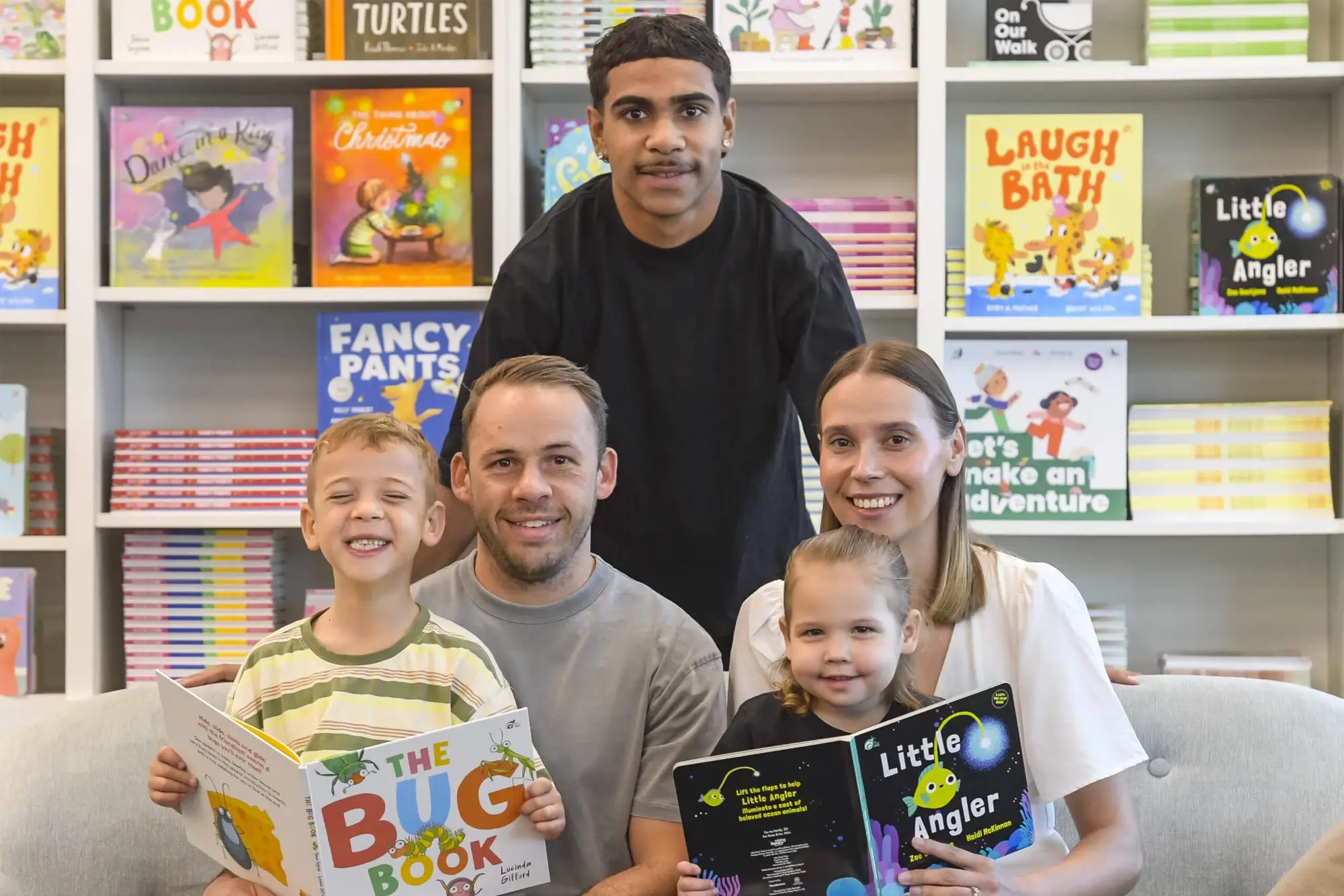
Raising Literacy Australia: improved literacy outcomes for Aboriginal children

Firefly 1
Firefly 2
Firefly 3
Firefly 4

Powered by the Advertiser Foundation Kids’ Appeal and the Good Home Appeal.

Delivered in partnership with Raising Literacy Australia, this inaugural project is aimed at supporting and improving literacy outcomes for Aboriginal children, because while 23.8% of children in South Australia start school developmentally vulnerable, this figure rises to 42.5% for Aboriginal children – a gap that the project seeks to address in culturally meaningful ways. (Australian Early Development Census)

The project will build on the successful early childhood development campaign, Words Grow Minds – a universal program that demonstrates how everyday activities like talking, reading, playing and singing with babies and young children can help them to thrive.

The adaptation of this campaign is already underway and will be grounded in collaboration with Aboriginal leaders and service providers, reflecting the understanding that the most effective programs are those shaped by Aboriginal voices.

Brenz Saunders, Chair of Raising Literacy Australia’s Aboriginal Leadership Group says, “Closing the gap starts with listening. The most powerful programs are those co-designed with Aboriginal people. Our vision for this project is to ensure that every child has the opportunity to succeed in their early years, with every family able to access early literacy support in a way that is palatable to their learnings, traditions and perspectives.”
Related Outcomes

  • Making friends with Minecraft: the results are in

    We first shared Dr Abi Thirumanickam's promising pilot results in Autistic children the real winners from online gaming. Now the project is complete, the results show that Minecraft™, played with the right structure and support, can help autistic children make friends who stay friends long after the sessions end. Friendships are one of the strongest contributors to a child's wellbeing. Yet many autistic children face real barriers to forming and keeping peer relationships. Traditional social skills programs tend to teach…

    Read the whole story
  • From a chance discovery to a national conversation

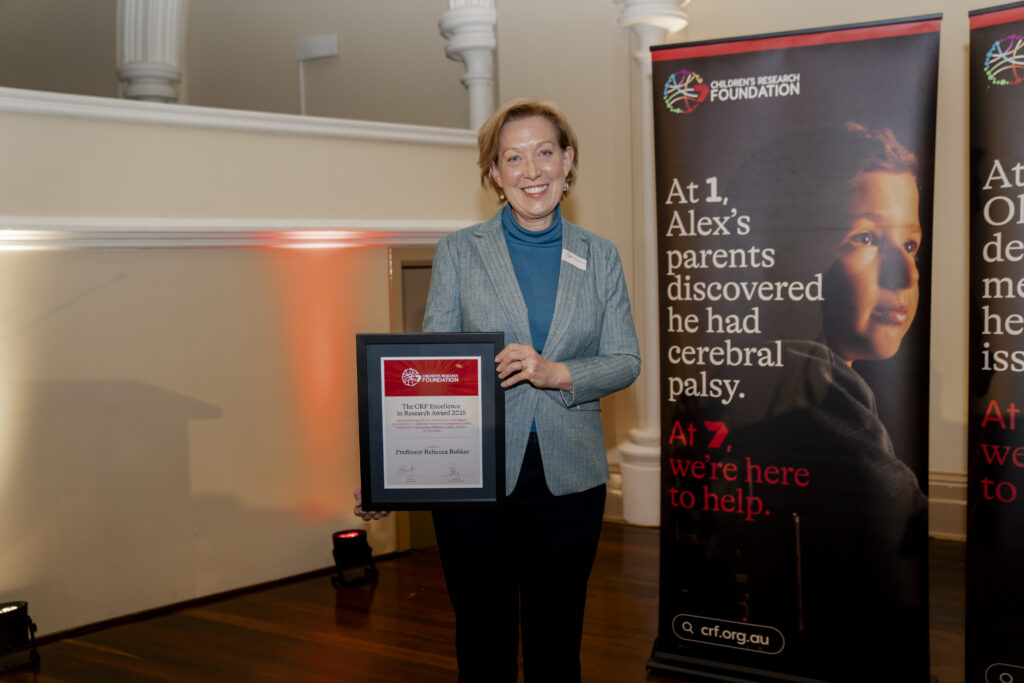
    It began with dead embryos, a distraught PhD student and a chance conversation with a cleaner in a university corridor. What followed would take Professor Rebecca Robker and her team into an entirely new field of research, spark widespread public interest and ultimately put their findings before a Federal Senate inquiry. And, as Robker is quick to point out, none of it would have been possible without early funding from what was then the Channel 7 Children’s Research Foundation –…

    Read the whole story